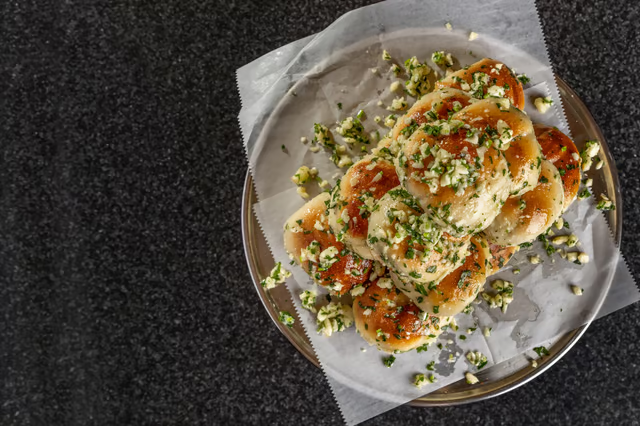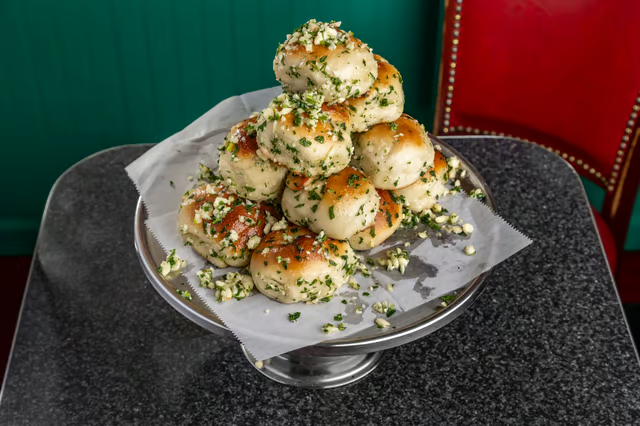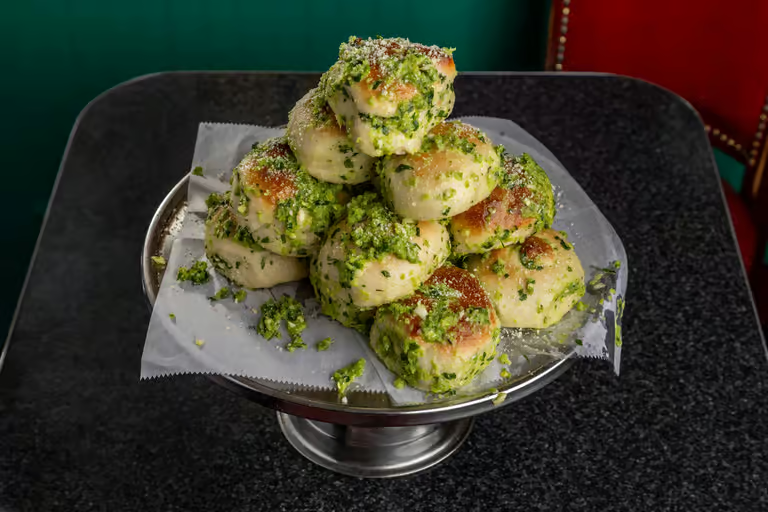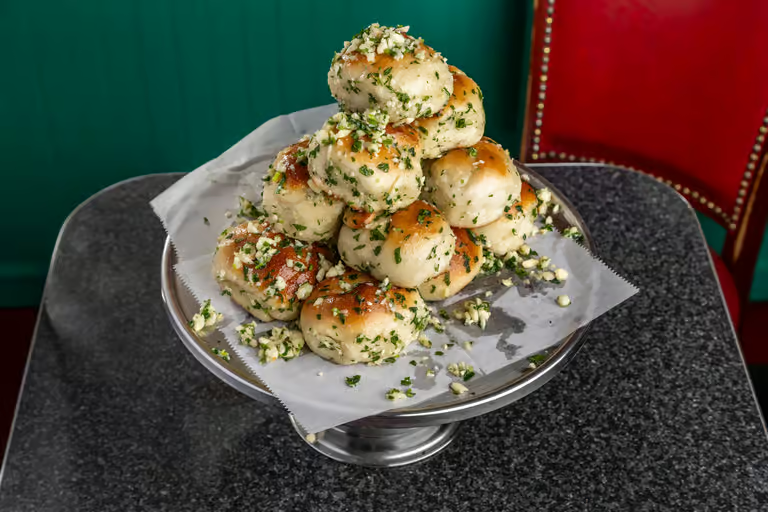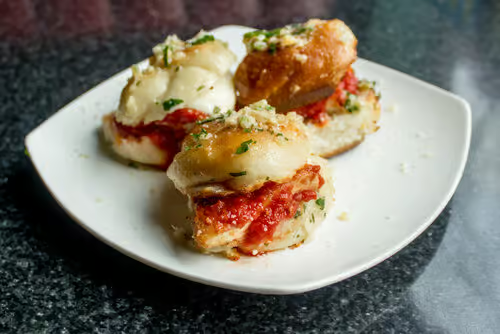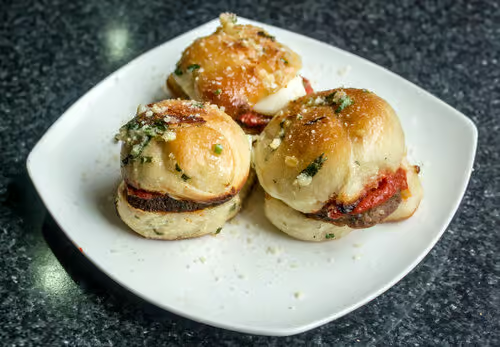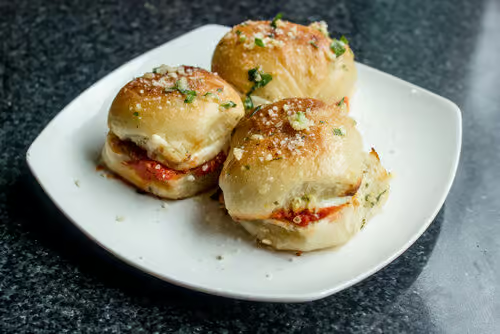
Garlic knots in Upper East Side pizzerias range from genuinely excellent to structurally offensive, and the gap comes down to about four things — dough, bake, oil, and timing. It’s the cheapest item on most menus, made from scraps, and that’s exactly why it tells you so much. A kitchen that takes care with the thing it could get away with phoning in is usually taking care elsewhere.
This is a short guide to judging a garlic knot, ordering the right number of them, and what to expect at Two Boots on 2nd Avenue.
Key takeaways
- A good knot is knotted, not rolled. The overhand knot creates layers and pockets that hold the oil. A rolled lump doesn’t.
- It should be soft inside and crisp outside. Both, in the same bite. One without the other is a failure.
- The oil goes on hot, out of the oven. Applied cold or too early, it sits on the surface instead of soaking in.
- Fresh garlic, not powder. You can taste the difference immediately and there’s nowhere to hide it.
- Order them first. They’re the thing that hits the table while everyone’s still deciding.
- Three to four per person if they’re a side, six or more if they’re doing real work.
Check Out Our Menu!
Nobody agrees where these came from
Worth knowing before we get to standards: garlic knots have no settled origin story.
As amNewYork put it, depending on who you ask the garlic knot was invented by a frugal pizzaiolo in Ozone Park, Plainview, or Syosset in the late 1970s, to use up leftover pizza dough. Other accounts put it decades earlier in Brooklyn, with at least one Sheepshead Bay pizzeria claiming garlic rolls since 1947.
What every version agrees on is the mechanism: pizzerias had dough scraps after stretching pies, food waste was unacceptable, and someone tied the scraps into knots and threw garlic oil at them. That’s the whole invention. It’s not from Italy and it never was.
That origin explains the standard. A garlic knot is judged by what a kitchen does with its leftovers, which is a more revealing test than what it does with its headline dish.
What makes a good one
| Element | Good | Bad |
|---|---|---|
| Shape | An actual overhand knot, with visible loops and folds that trap oil | A rolled ball or a twisted lump with no interior surface |
| Interior | Soft, chewy, with some pull to it | Dense and bready, or dry and cakey |
| Exterior | Golden, slightly crisp, structurally intact | Pale and doughy, or hard enough to crack |
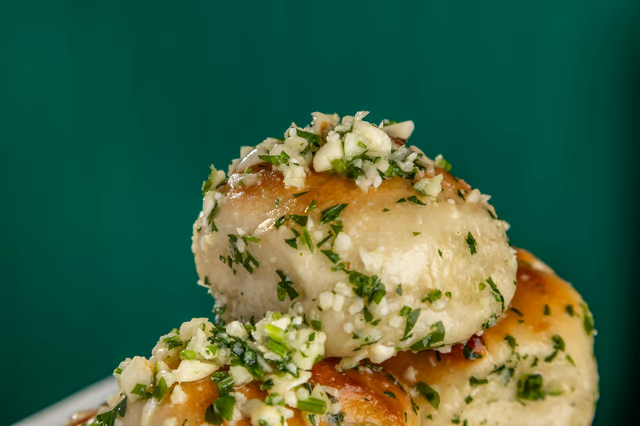
| Garlic | Fresh, minced, visible. Sharp but not raw-harsh | Powder, or a vague garlic-adjacent suggestion |
| Oil | Applied hot from the oven so it soaks into the folds | Applied cold, pooling on the surface or on the plate |
| Herbs | Parsley or oregano, present but not dominating | Absent, or a green dust that tastes of nothing |
| Temperature | Hot. This is not negotiable | Room temperature, meaning they sat |
| Dipping sauce | Marinara on the side if you want it, not poured over | Drowned, or no option at all |
The single most common failure is the last one on the temperature row. Garlic knots that sat under a heat lamp for twenty minutes go leathery on the outside and dense inside, and no amount of garlic oil fixes it. A kitchen that bakes them in batches through service is doing it right; a kitchen that made them all at four o’clock is not.
The second most common is garlic powder. It’s cheaper, it’s shelf-stable, and it tastes like it.
Why the crust matters here
Two Boots dough is cornmeal-dusted, which gives the bottom of a pizza its characteristic grainy crunch — and does something useful to a knot as well. That texture on the exterior against a soft interior is the contrast you’re looking for, and it holds up better in a box than a softer dough does.
That matters if you’re taking garlic knots in Upper East Side traffic back to an apartment ten minutes away. Most knots go soft in transit. These hold better than most.
How many to order
The most common mistake isn’t picking the wrong item. It’s ordering three knots for four people and watching the table divide them awkwardly.
| Your situation | How many | Why |
|---|---|---|
| Two people, plus pizza | 4–6 | A side, not a course. Enough for two each |
| Four people sharing a pie | 8–10 | Two or three each, and there’ll be a last one nobody claims |
| Table with a long wait ahead | Order them first, 6+ | They arrive before anything else and end the ordering conversation |
| Kids in the group | Add 2–3 per kid | Kids eat more of these than anyone predicts |
| Office lunch or a party | Order by the batch through catering | Individual ordering falls apart above about eight people |
| Taking them home | 6+, and eat them within the hour | They’re best in the first twenty minutes and fine for an hour |
The “order them first” row is the practically useful one. At a table where everyone’s still reading the menu, garlic knots are the thing that arrives quickly and stops the conversation from continuing into the meal.
What to eat them with
They work with everything, but a few pairings do more than others.
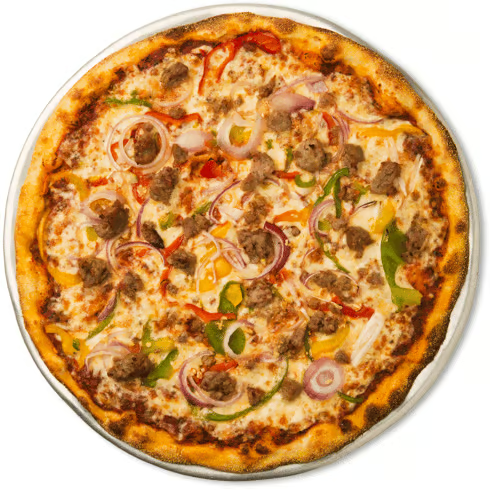
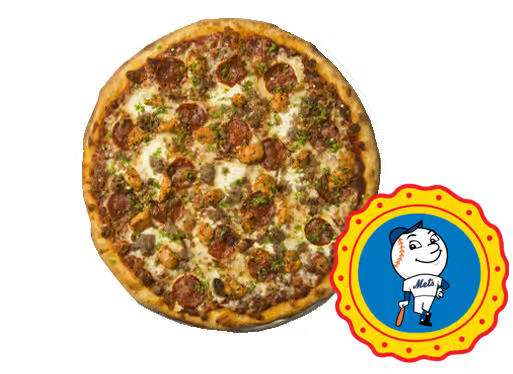
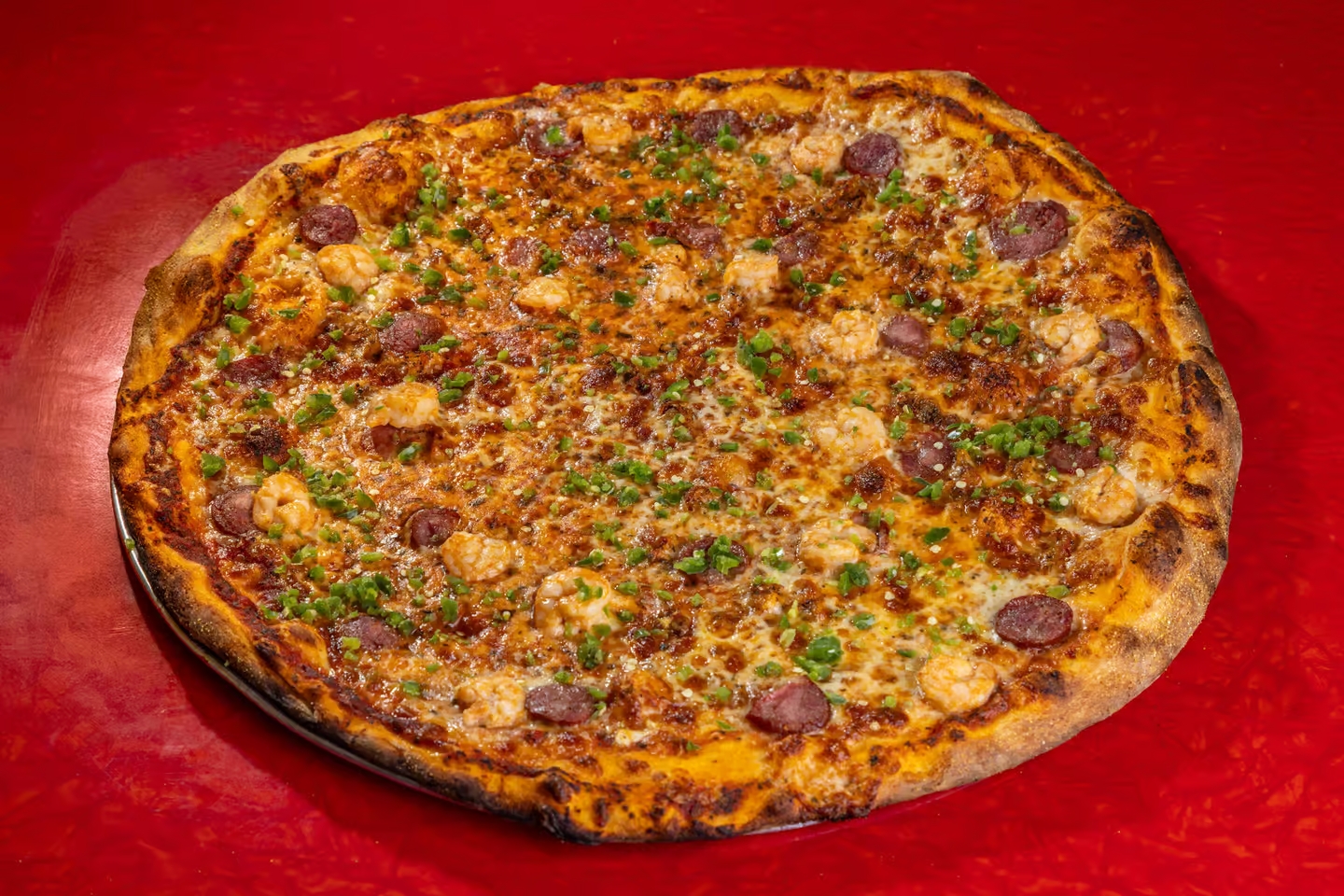
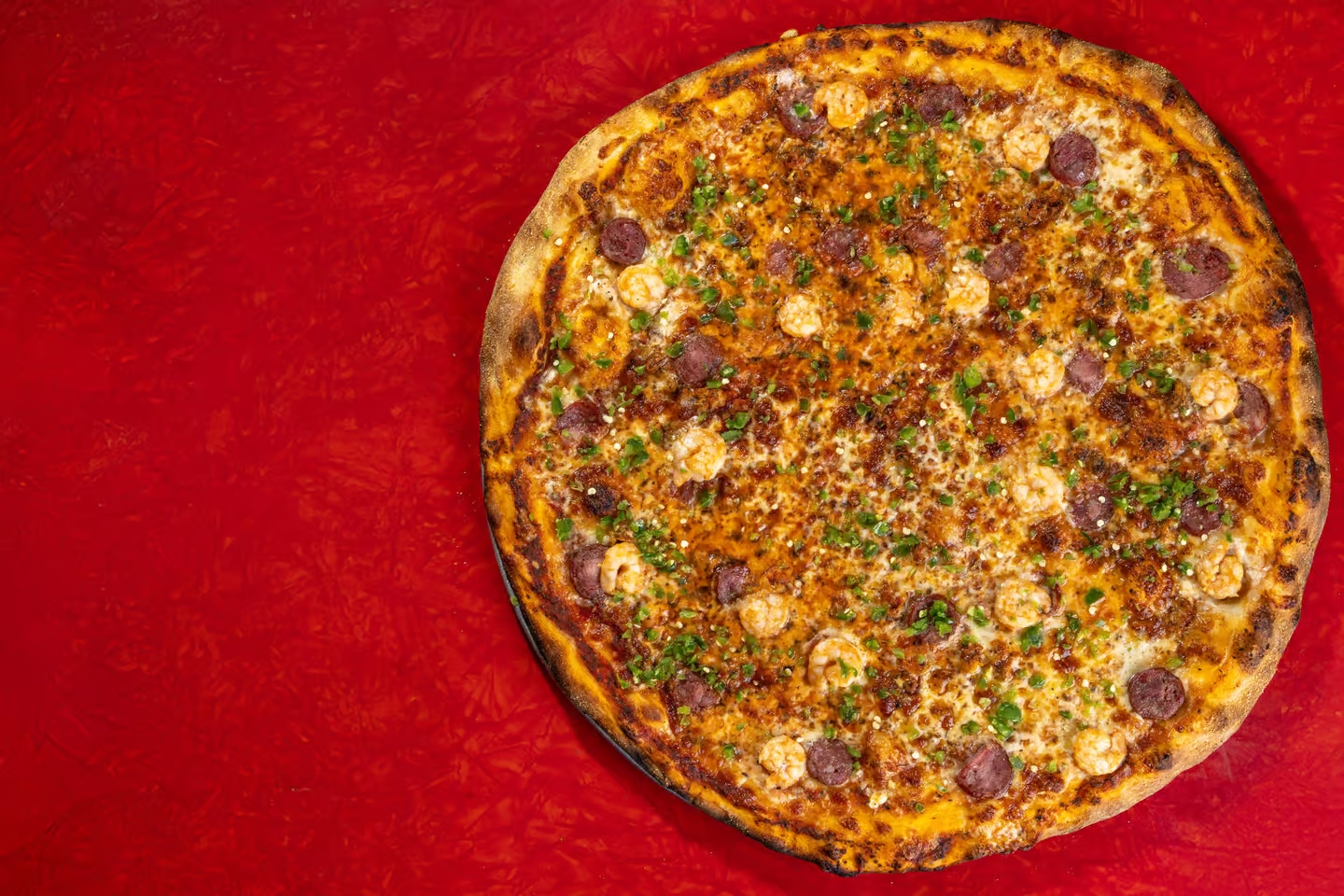
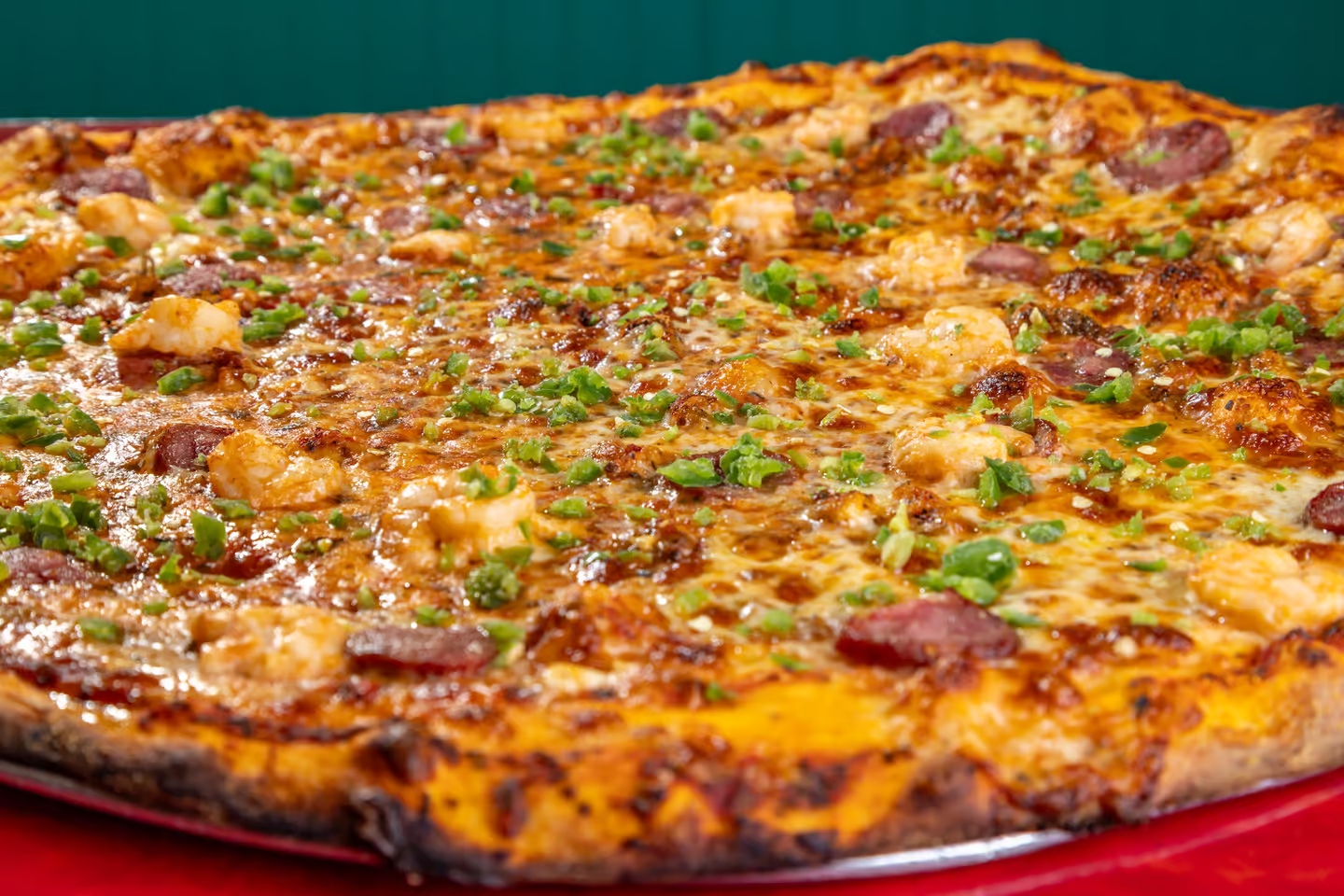
With a spicy pie. The Bayou Beast runs shrimp, crawfish, andouille, and jalapeños, and it’s genuinely hot. Bread is the reset between bites.
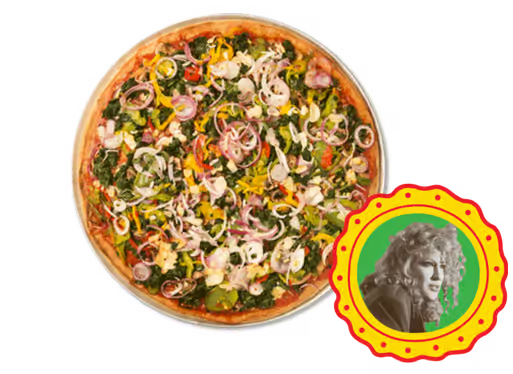
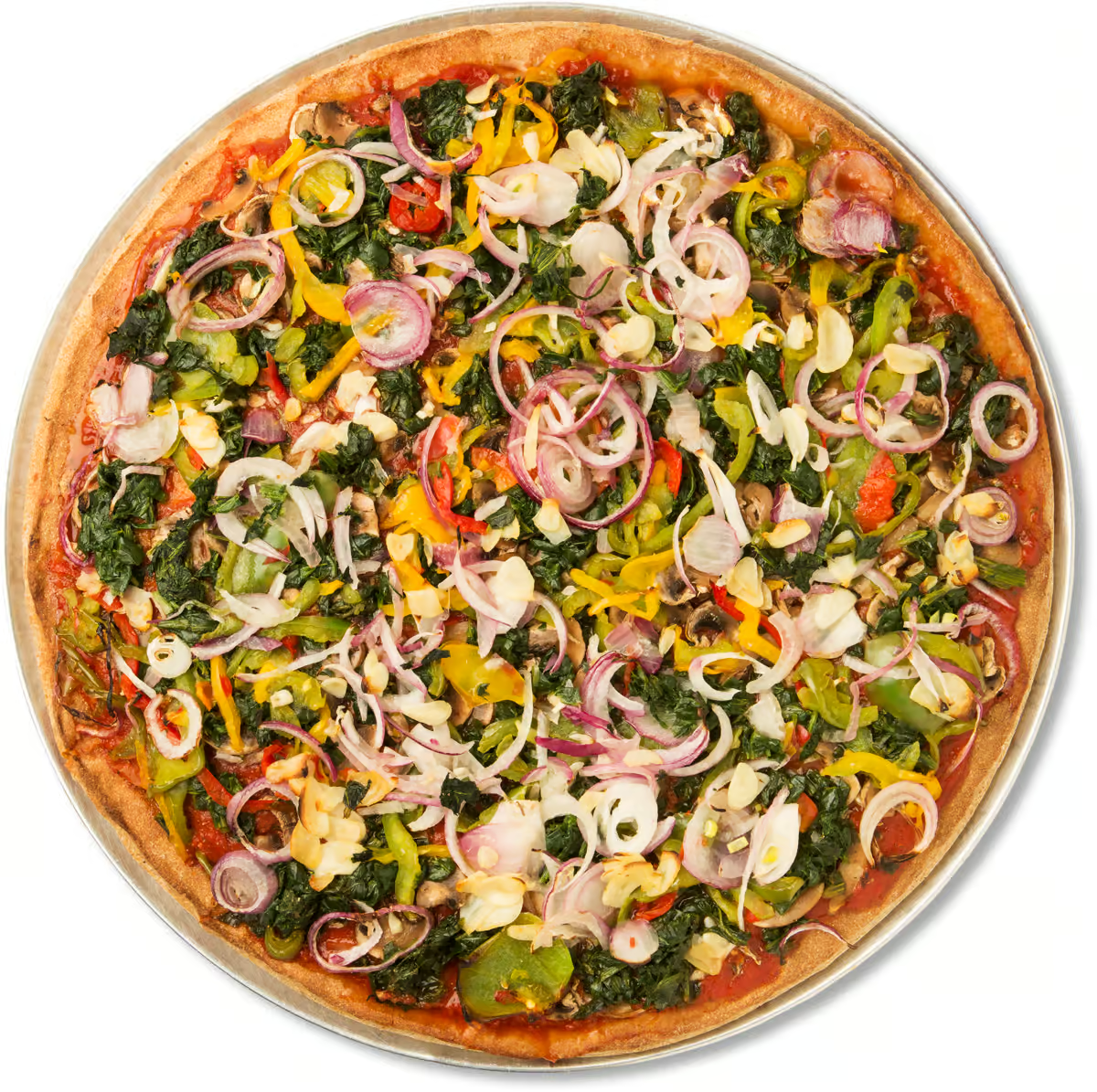
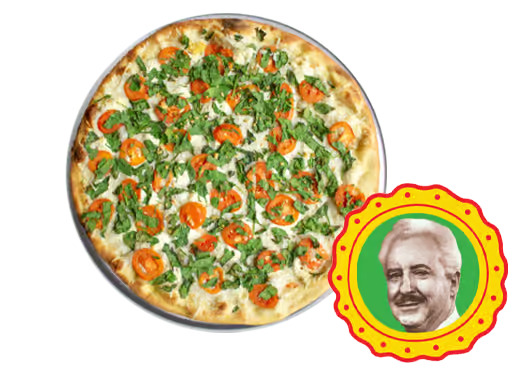
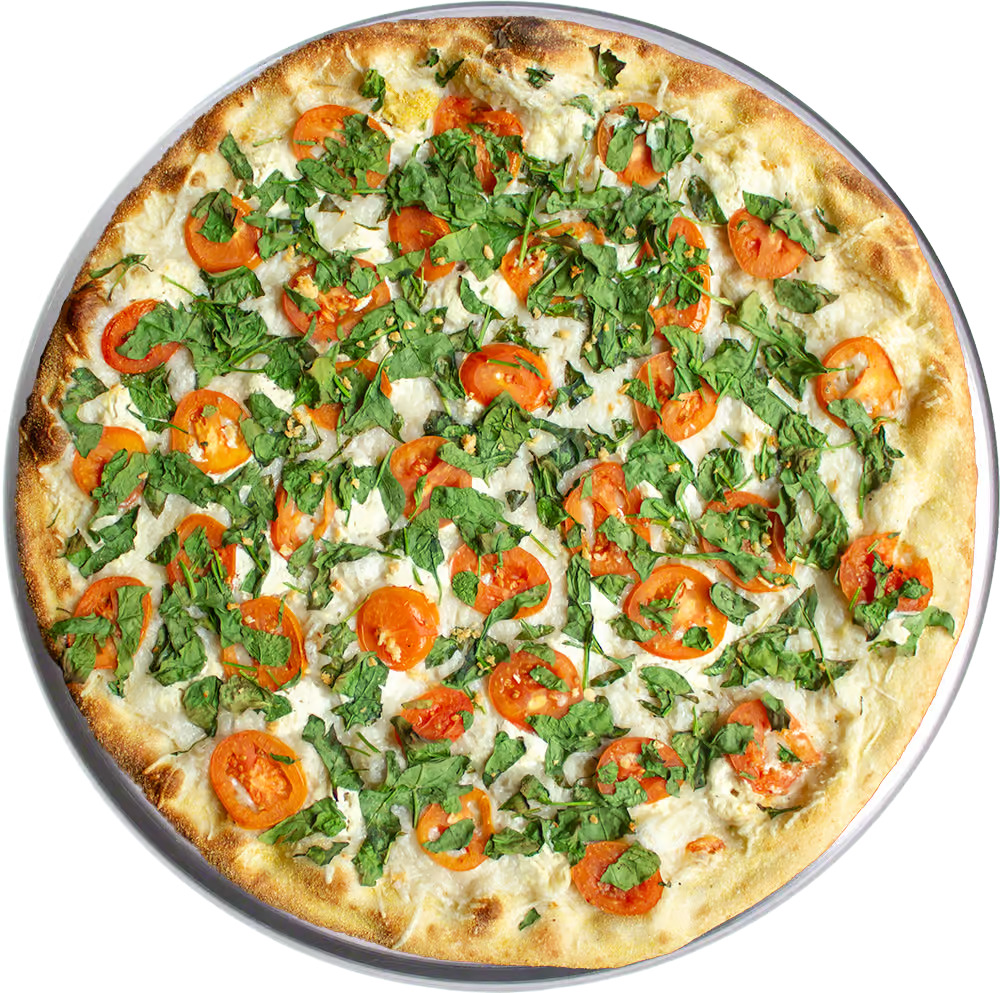
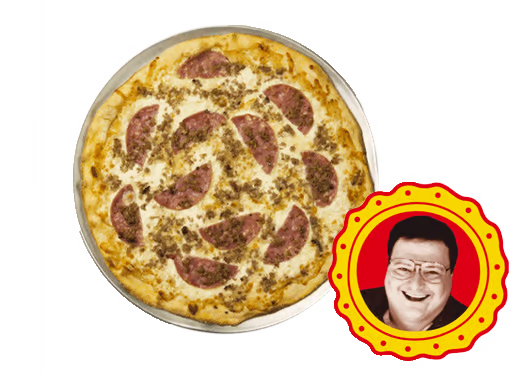
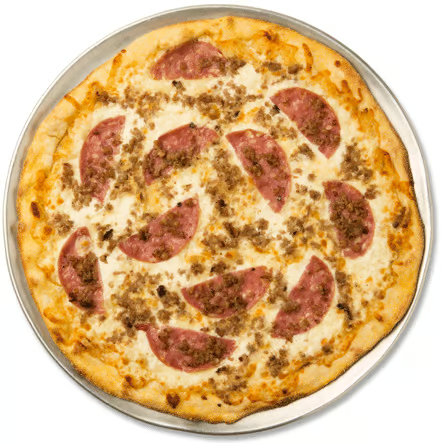
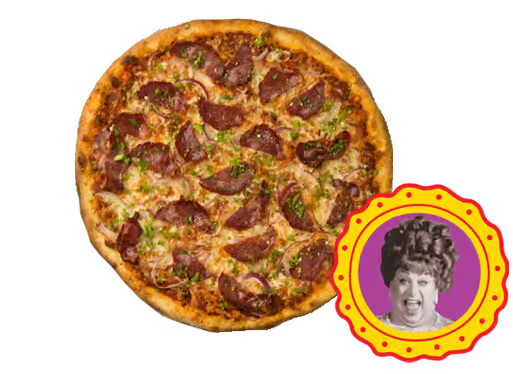
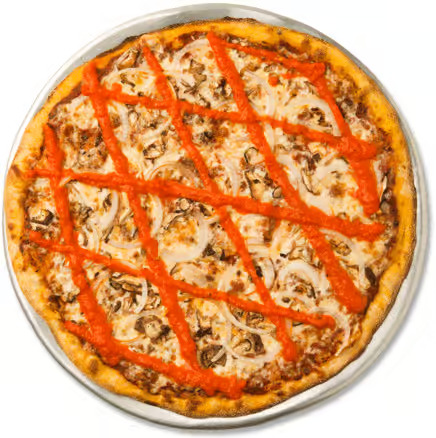
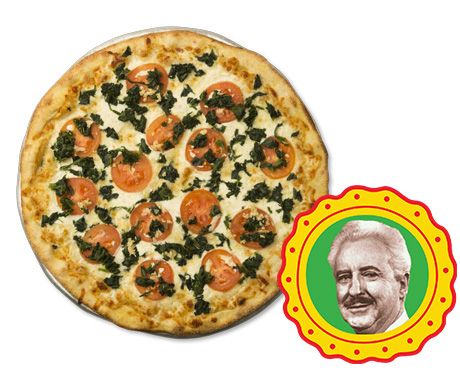
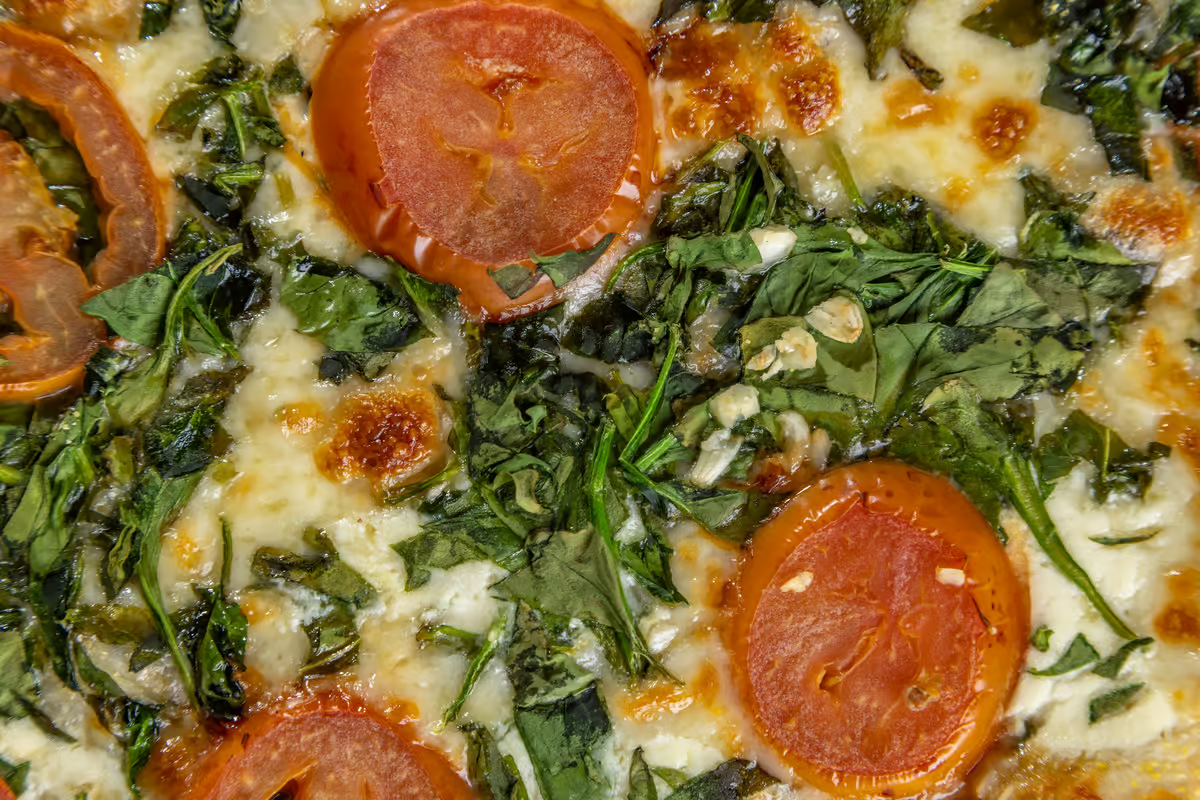
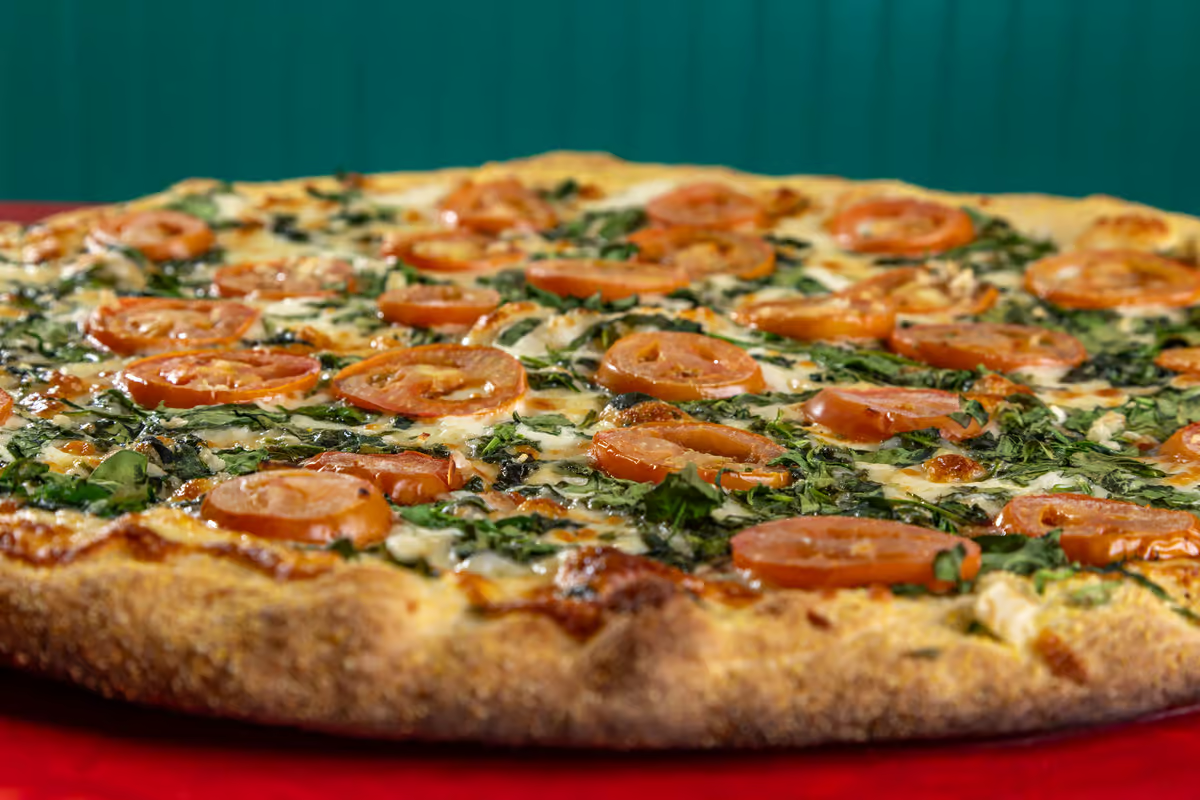
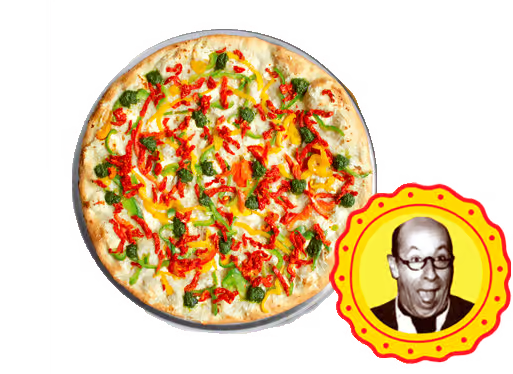
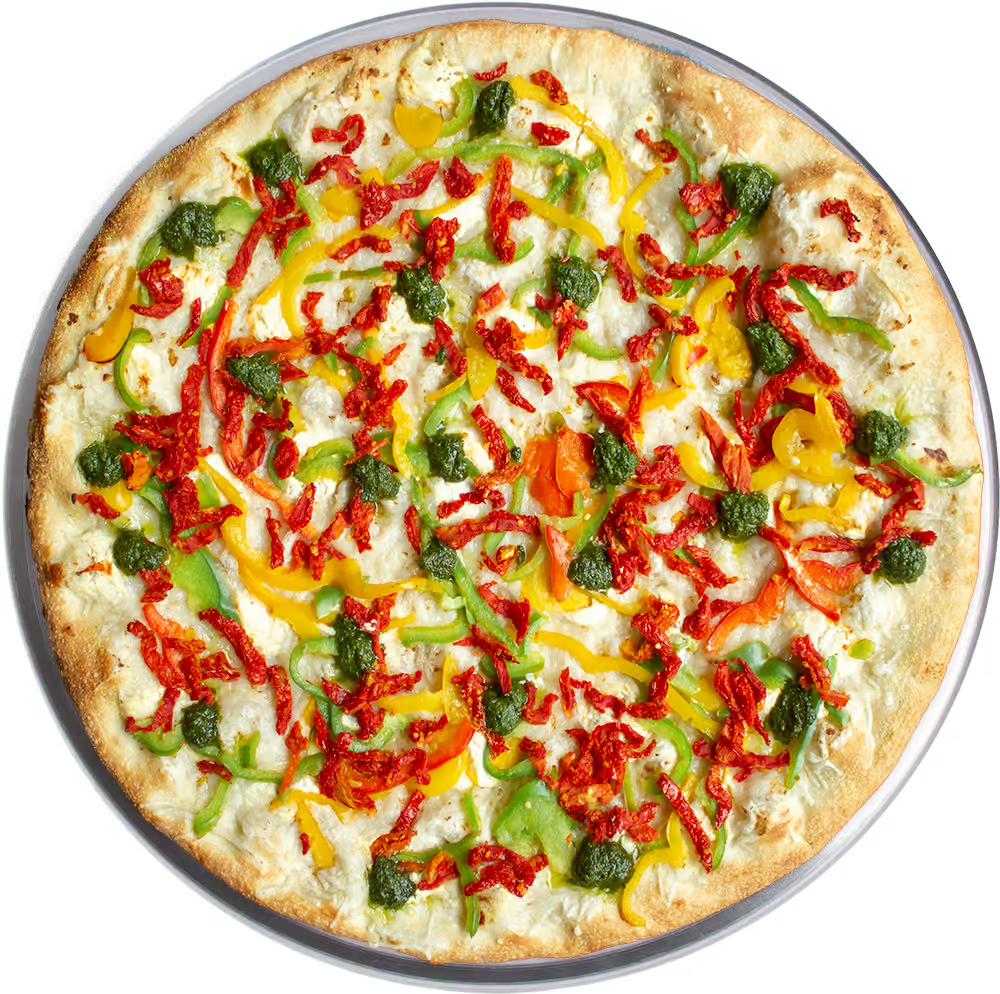
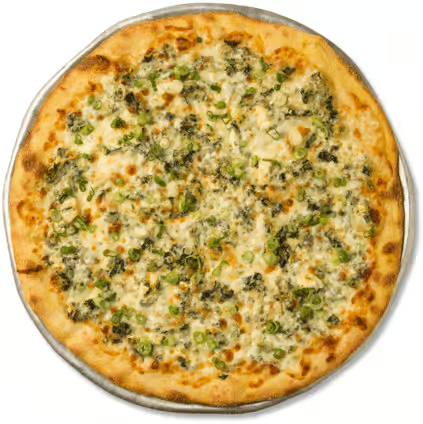
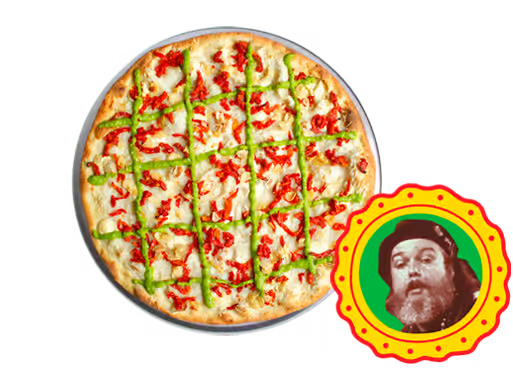
With a white pie. Larry Tate — spinach, plum tomatoes, roasted garlic, ricotta — is already garlic-forward, so this is a doubling-down order rather than a contrast.
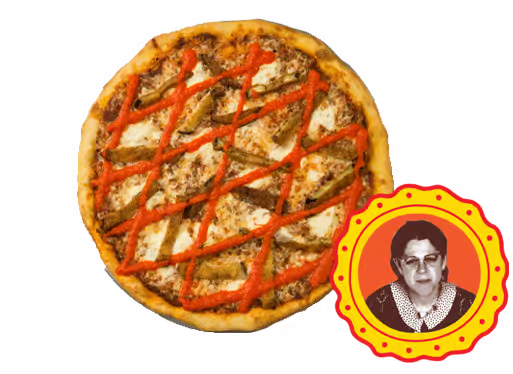
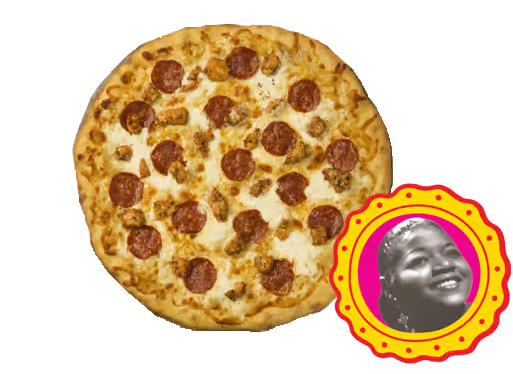
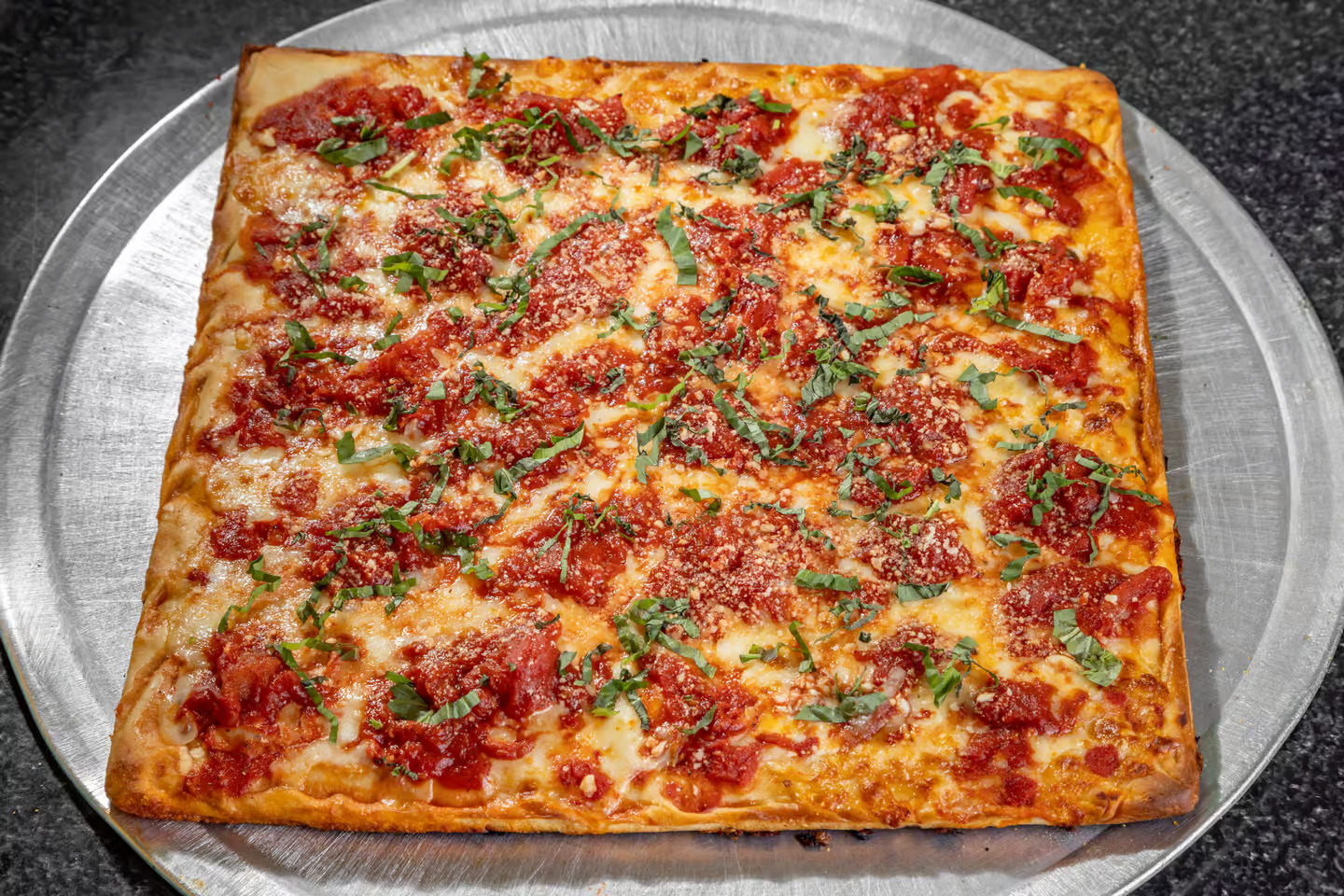
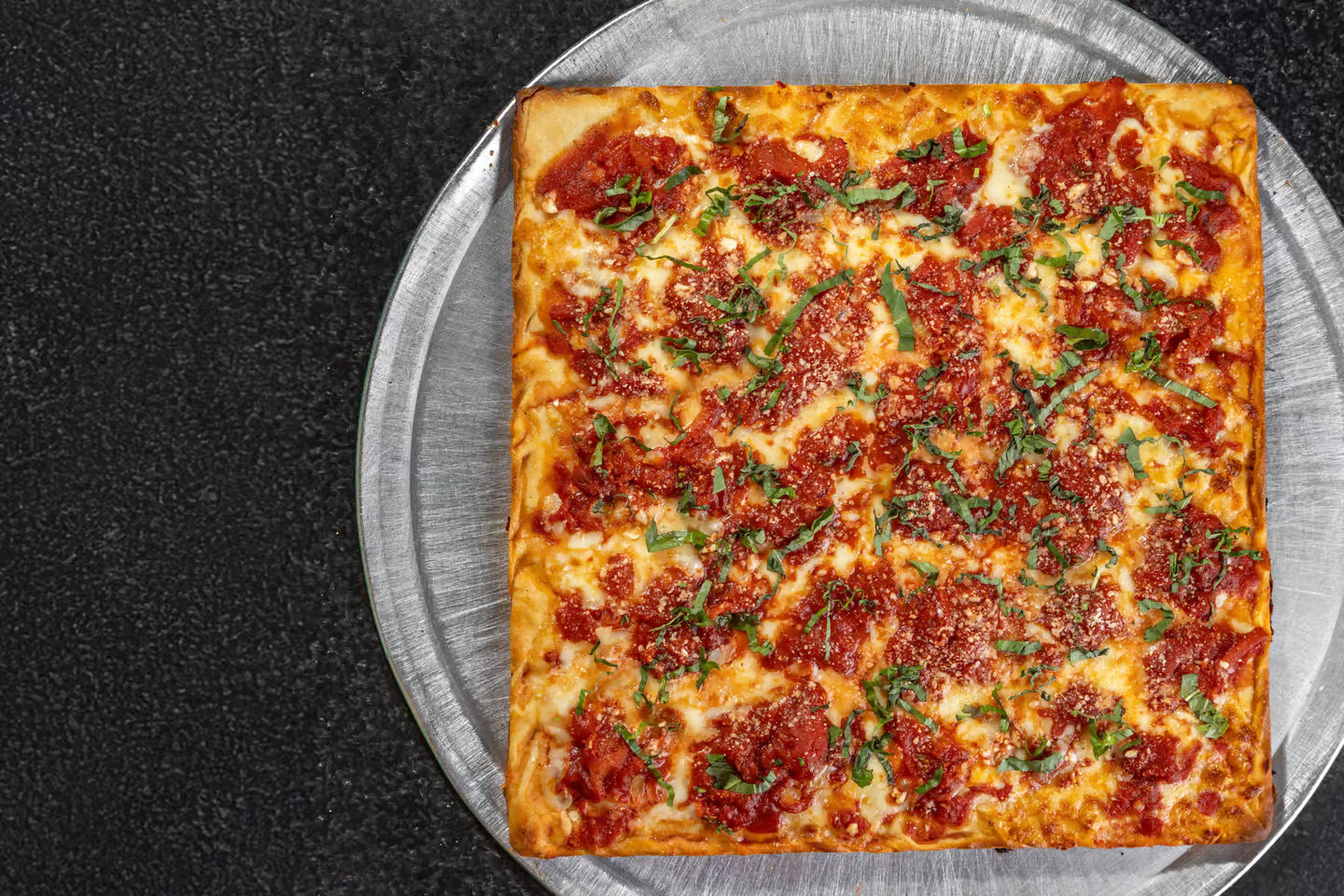
With something simple. Grandma Bess, the thin square Sicilian, doesn’t compete with them.
On their own at the bar. Perfectly legitimate. They were designed as a cheap snack and they still work as one.
If you want the wider ordering picture, our Upper East Side lunch guide covers what to get by the slice and what travels back to a desk.
Garlic knots versus garlic bread
These get used interchangeably and they aren’t the same thing. The difference is the starting material.
Garlic bread starts with bread that’s already been baked — a baguette, a loaf of Italian bread, sometimes ciabatta — sliced, buttered with garlic, and toasted or grilled. The result is crisp throughout, sometimes crisp enough to shatter, and it’s a preparation with genuine Italian antecedents in bruschetta and fettunta.
Garlic knots start with raw pizza dough. The dough is cut into strips, tied, proofed, and baked from scratch, then dressed while hot. Because nothing has been toasted twice, the interior stays soft and pull-apart while the exterior firms up. That contrast is the entire point, and it’s why a knot and a slice of garlic bread eat completely differently even when the garlic treatment is identical.
There’s a third thing worth naming: garlic rolls, which show up on older New York menus and are essentially the same idea shaped as a roll rather than knotted, sometimes with poppy seeds. Some pizzerias use the terms interchangeably. The knot shape matters more than the name, because the folds are what hold the oil.
One practical consequence. If someone at your table says they don’t like garlic bread, that’s not the same as saying they won’t like garlic knots — they may be objecting to the dry, hard texture of over-toasted bread, which a knot doesn’t have.
Reheating them without ruining them
Garlic knots are best in the first twenty minutes and good for about an hour. After that you’re reheating, and how you do it decides whether they’re still worth eating.
Oven or toaster oven, 350°F, five to seven minutes. This is the right answer. It drives moisture out of the exterior and firms it back up while the interior warms through. If they’ve dried out, a few drops of olive oil brushed on before they go in helps.
Air fryer, 320°F, three to four minutes. Faster and works well, but watch them — the smaller chamber takes them from warm to hard quickly.
Skillet, covered, low heat. An underrated option. A dry pan over low heat with a lid on for three or four minutes steams the interior soft while the bottom crisps.
Not the microwave. Thirty seconds gives you a hot knot with a texture somewhere between damp and rubbery, and no route back. If the microwave is genuinely the only option, wrap them in a barely damp paper towel and accept that you’re producing steamed bread rather than reheated knots.
Whatever method you use, they don’t survive a second reheat. Do it once.
Where to get them
Two Boots is at 1243 2nd Avenue, near East 65th Street — counter service, no reservation, bright and casual. Weekday doors open at 11am and weekend hours start at noon.
For a sit-down version of the same menu, the Upper East Side dine-in page has the details. For anything above about eight people, catering is the better route than a large walk-in order — knots included, sized properly and arriving together.
Order a batch on 2nd Avenue
For garlic knots in Upper East Side pickup range, Two Boots is at 1243 2nd Avenue, near East 65th.
Walk in and order them first, order online if you’re picking up on the way home, or call (646) 837-6015 for a group order you want ready when you arrive. Delivery and catering are both available.
Frequently asked questions
What are garlic knots made of?
Pizza dough, tied into an overhand knot, baked, then brushed with garlic-infused oil and herbs. They originated in New York-area pizzerias as a way to use leftover dough after stretching pies, which is why they’re traditionally the cheapest thing on a pizzeria menu.
What makes a good garlic knot?
An actual knot rather than a rolled ball, so the folds trap the oil; a soft chewy interior with a crisp golden exterior; fresh minced garlic rather than powder; and oil applied hot out of the oven so it soaks in. Above all, they should arrive hot — knots that have been sitting are the most common failure.
How many garlic knots should I order per person?
Three to four each if they’re a side alongside pizza, six or more if they’re doing more work than that. Add two or three per kid, since children reliably eat more of them than anyone plans for.
Are garlic knots Italian?
No. They’re an Italian-American invention from the New York area, developed in pizzerias as a use for dough scraps. Accounts differ on whether that was Brooklyn in the 1940s or Queens and Long Island in the 1970s, and no single origin is documented.
Do garlic knots travel well?
Better than most sides, but they’re best within the first twenty minutes and good for about an hour. A cornmeal-dusted dough holds its exterior texture in a box better than a softer dough does.
Where can I get garlic knots on the Upper East Side?
Two Boots is at 1243 2nd Avenue near East 65th Street, open daily with later hours on Friday and Saturday. Dine-in, takeout, delivery, and catering are all available.
Should I order garlic knots before or with my pizza?
Before. They arrive quickly and they’re the thing that occupies a table while everyone’s still deciding what else to get.